
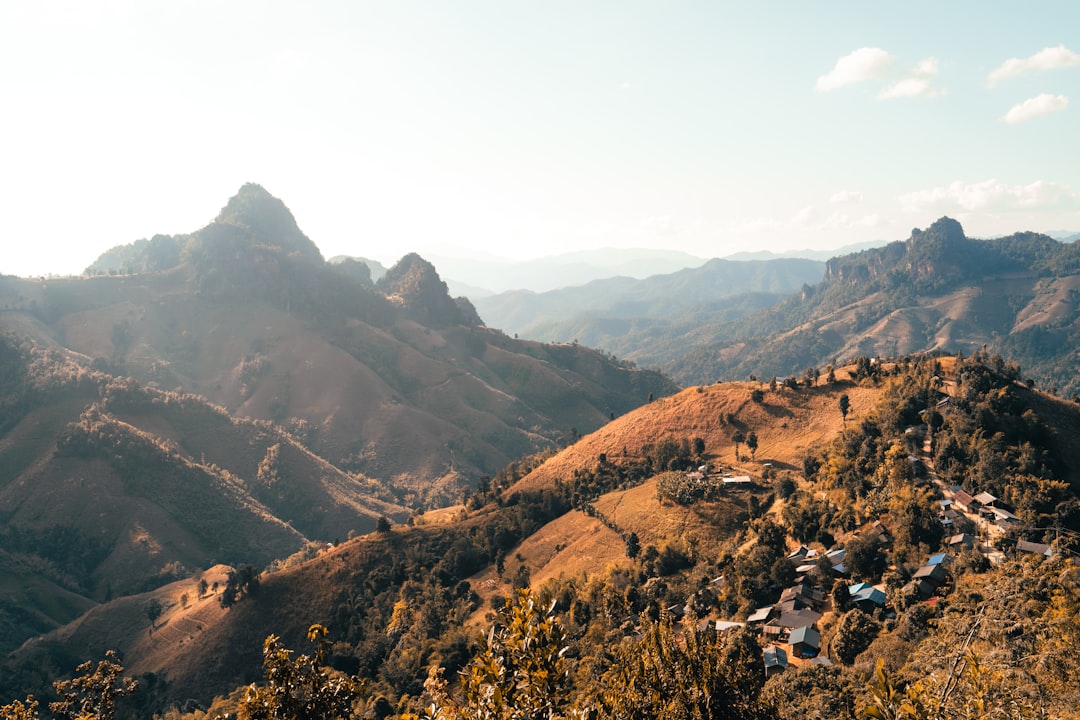
Are you ready to embark on an outdoor adventure without breaking the bank or harming the planet? In today’s world, where travel can often feel like a luxury reserved for the wealthy, it’s time to explore how you can enjoy nature’s beauty affordably and sustainably. Let’s dive into actionable strategies that will help you make the most of your outdoor experiences while being kind to your wallet and the environment.
First, let’s talk about budgeting for your outdoor adventures. The key to enjoying travel on a budget is planning. Start by setting a clear budget for your trip. Consider all potential expenses, including transportation, accommodation, food, and activities. Once you have a budget in place, prioritize your spending. For instance, if you’re passionate about hiking, allocate more funds for gear and less for dining out.
Next, consider your destination. National parks, state parks, and local nature reserves often have low or no entry fees. Research lesser-known parks that offer stunning landscapes without the crowds or high costs associated with popular tourist spots. Websites like AllTrails can help you find hidden gems in your area or wherever you plan to travel.
Now, let’s explore eco-friendly travel options. One of the easiest ways to reduce your carbon footprint while traveling is to choose sustainable transportation. If possible, opt for public transport, carpooling, or biking instead of driving alone. If you must fly, consider offsetting your carbon emissions through various programs that plant trees or invest in renewable energy projects.
When it comes to accommodation, look for eco-friendly lodging options. Many hotels and hostels are now adopting green practices, such as using renewable energy, reducing water usage, and sourcing local food. Websites like EcoBnB and Green Key can help you find accommodations that align with your values.
Food is another area where you can save money and be eco-conscious. Instead of dining out for every meal, consider packing a picnic or preparing your own food. Not only will this save you money, but it also allows you to enjoy the great outdoors while eating healthy, homemade meals. Invest in a good cooler and reusable containers to make meal prep easier.
Now, let’s talk about DIY outdoor gear. You don’t need to spend a fortune on high-end equipment. Many outdoor enthusiasts have found success in creating their own gear. For example, you can make a simple camping stove from a soda can or create a lightweight backpack from repurposed materials. There are countless tutorials online that can guide you through the process of making your own gear, which can be both fun and rewarding.
As you plan your outdoor adventures, keep an eye on current trends in the travel industry. For instance, the rise of ‘slow travel’ encourages travelers to immerse themselves in their surroundings rather than rushing from one destination to another. This approach not only enhances your experience but also reduces your environmental impact. Consider spending more time in one location, exploring it thoroughly, and connecting with local communities.
Checklist: Set a budget, research eco-friendly accommodations, prepare your own meals.
Finally, don’t forget to document your adventures! Share your experiences on social media or through a blog. Not only does this inspire others to explore the outdoors, but it also creates a sense of community among fellow nature lovers. Plus, it’s a great way to reflect on your journeys and the lessons you’ve learned along the way.
In conclusion, outdoor travel doesn’t have to be expensive or harmful to the environment. By planning ahead, choosing sustainable options, and getting creative with DIY solutions, you can enjoy the beauty of nature while staying within your budget and protecting our planet. So grab your gear, hit the trails, and start making memories that will last a lifetime!